
Compost Learning Center
Animals in the Compost Cycle

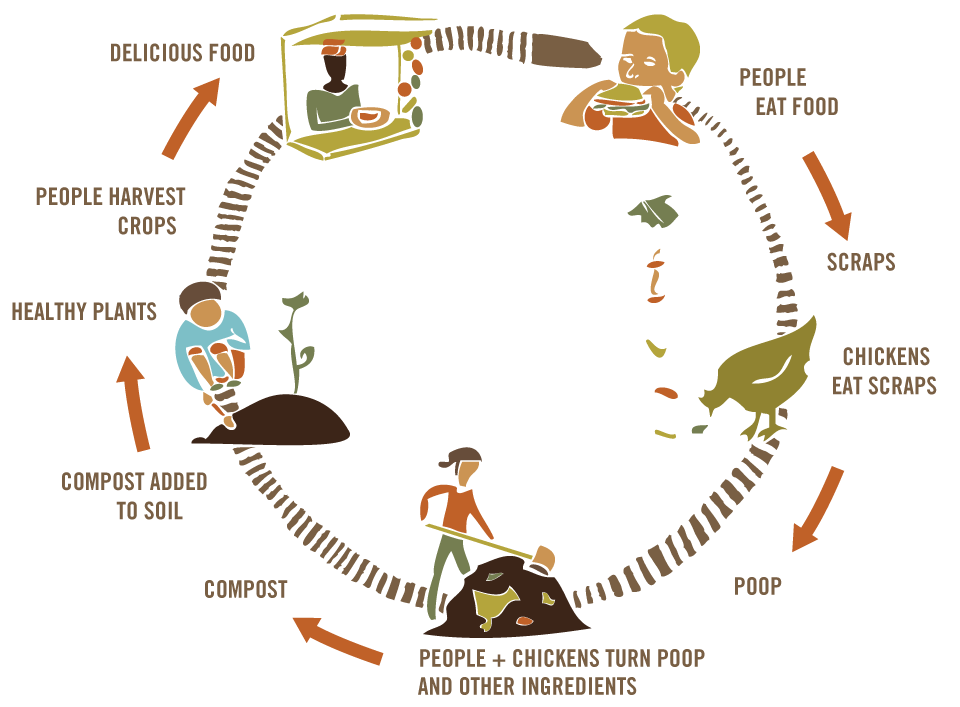
The waste of all living things can become food for another! Nutrients follow a cycle: soil provides nutrients to plants, plants provide nutrients to animals, plants and animals provide nutrients to decomposers in compost, and these decomposers return nutrients to the soil. At the Compost Learning Center, you can find a menagerie of composting critters– each with its own role in the cycle. Chickens, Red wiggler worms and goats all feed on food scraps and add their nitrogen-rich (“green”) manure to compost.
Chickens
The Chicken Compost Cycle
Chickens help to aerate the piles and provide a key green ingredient- poop!
Scoop on Poop
Manure (poop) is a key ingredient in chicken composting. Manure is very high in the building block of plan nutrition: Nitrogen (N), Phosphorus (P), and Potassium (K).
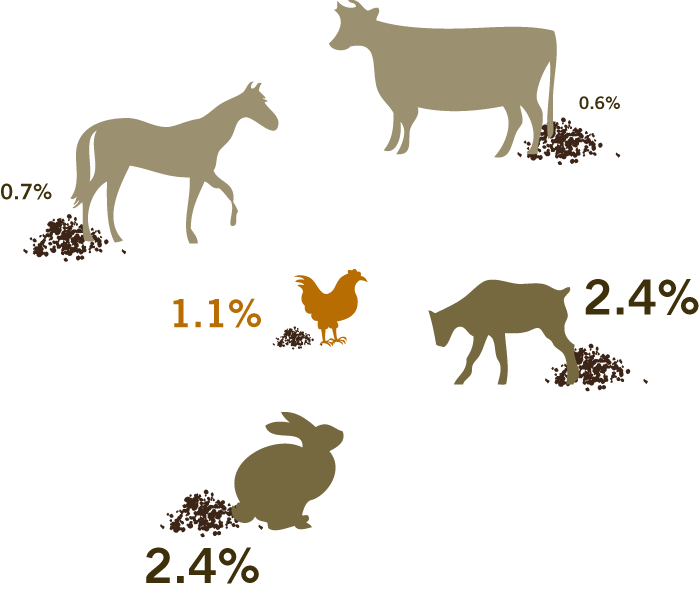
Chicken Poop has a higher Nitrogen content (1.1%) than cow (0.6%), or horse manure (0.7%). Rabbit (2.4%) and goat manure (2.4%) have more.
Did you know?
Poop and pee are combined in one dropping and each chicken makes about 45lbs of poop every year!
Chicken Composting
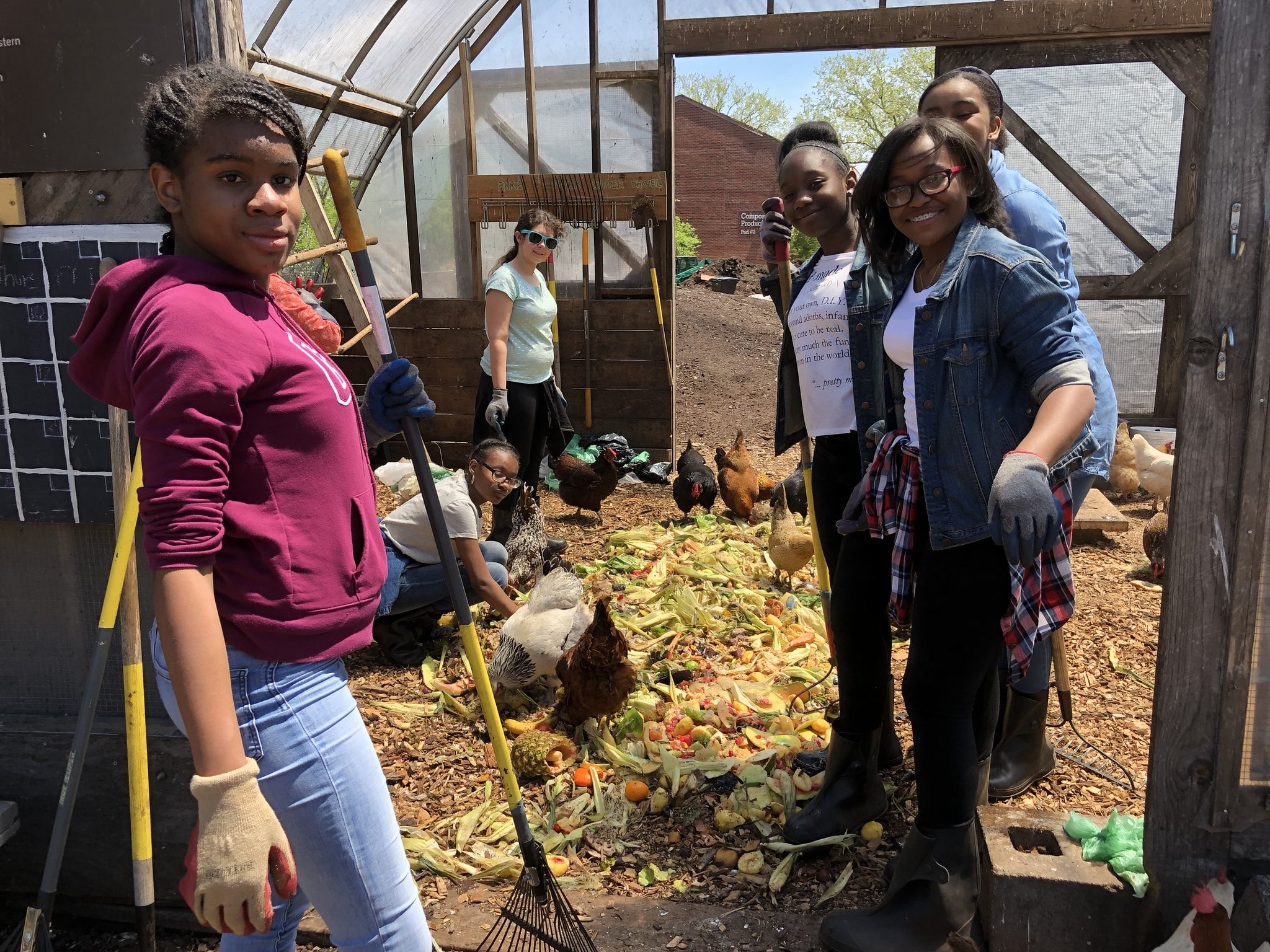
We provide our chickens with a varied diet by feeding them food scraps collected from Governors Island and farmers markets in NYC and spent beer grain. The chickens pick over the food scraps and drop their manure. This extra source of nitrogen (a “green”) helps to heat up the compost pile when the food scraps (also “greens”) are mixed with carbonaceous “browns”.
Deep Litter
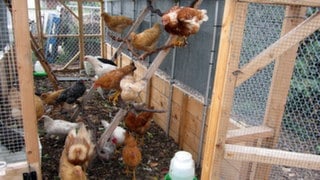
Under our chickens’ roosting bars, we layer wood shavings on top of their poop daily to keep the area odor-free and hygienic. The chickens scratch and pick through this deep litter, building their immune systems. The group of microorganisms that break down the manure are anaerobic. Deep litter also generates heat that keeps the birds warm during the winter months. After 1 or 2 years, the compost is ready to be applied to the garden.

Goats


As our goats eat and poop, we collect their droppings in the Poop Pen, and add “browns” like leaves, and farm weeds to create a thermophilic batch of compost which is ready in about a year’s time.
In addition to playfully eating your hat, our goats serve their place in the nutrient cycle. Goat poop has a high proportion of nitrogen (2.4%), and because goats are vegetarians, goat poop is a great input for composting.
Pollinators and Macro-organisms
These creatures help to pollinate fruits and flowers and also snack on spent food scraps
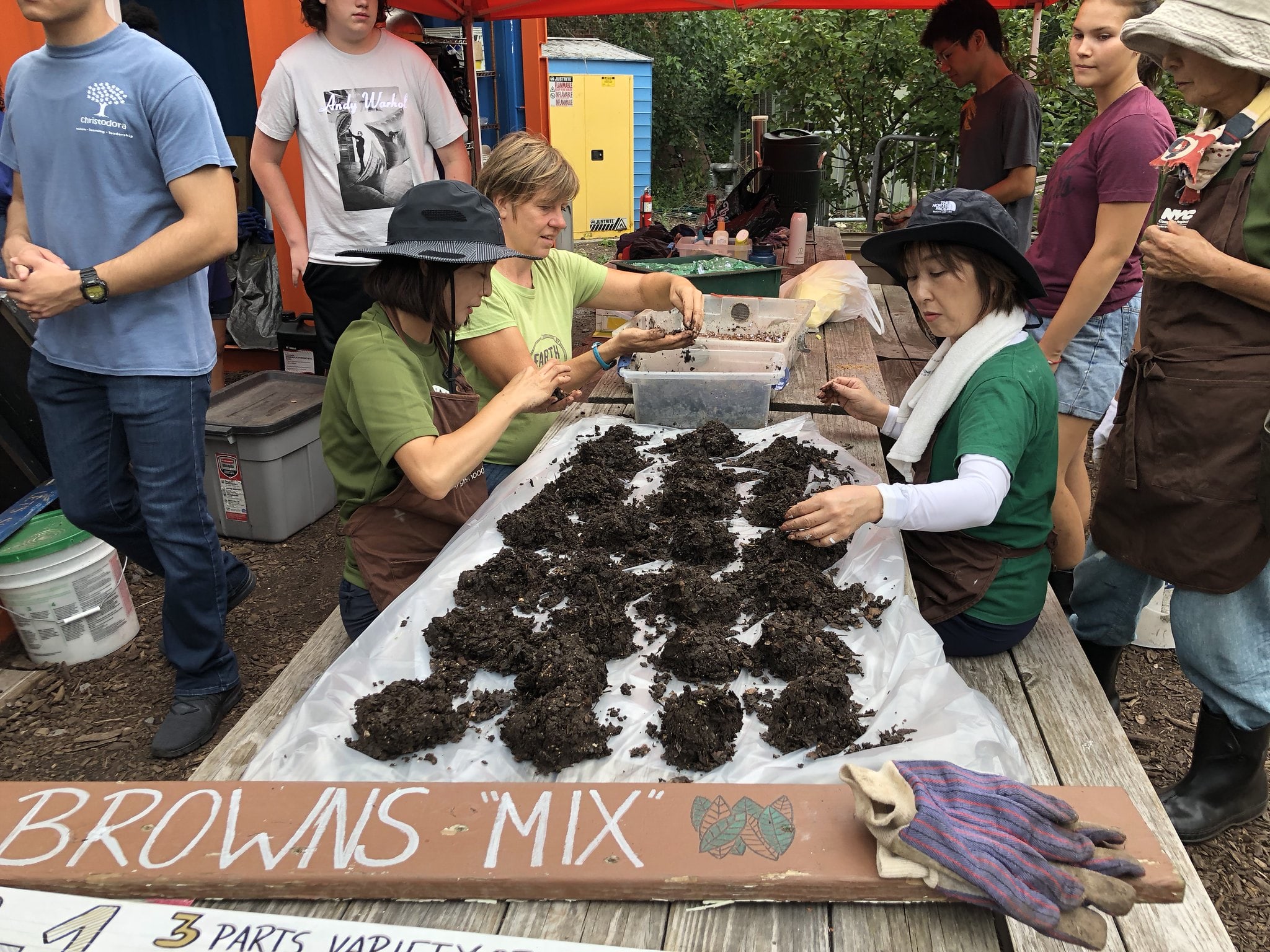
Worms
Red Wiggler worms or Eisenia fetida are 5-hearted, eye-less, teeth-less, hermaphroditic creatures that breathe through their skin, eat half their body weight in food scraps and microorganisms each day and thrive in areas with high organic matter like piles of decaying food scraps.

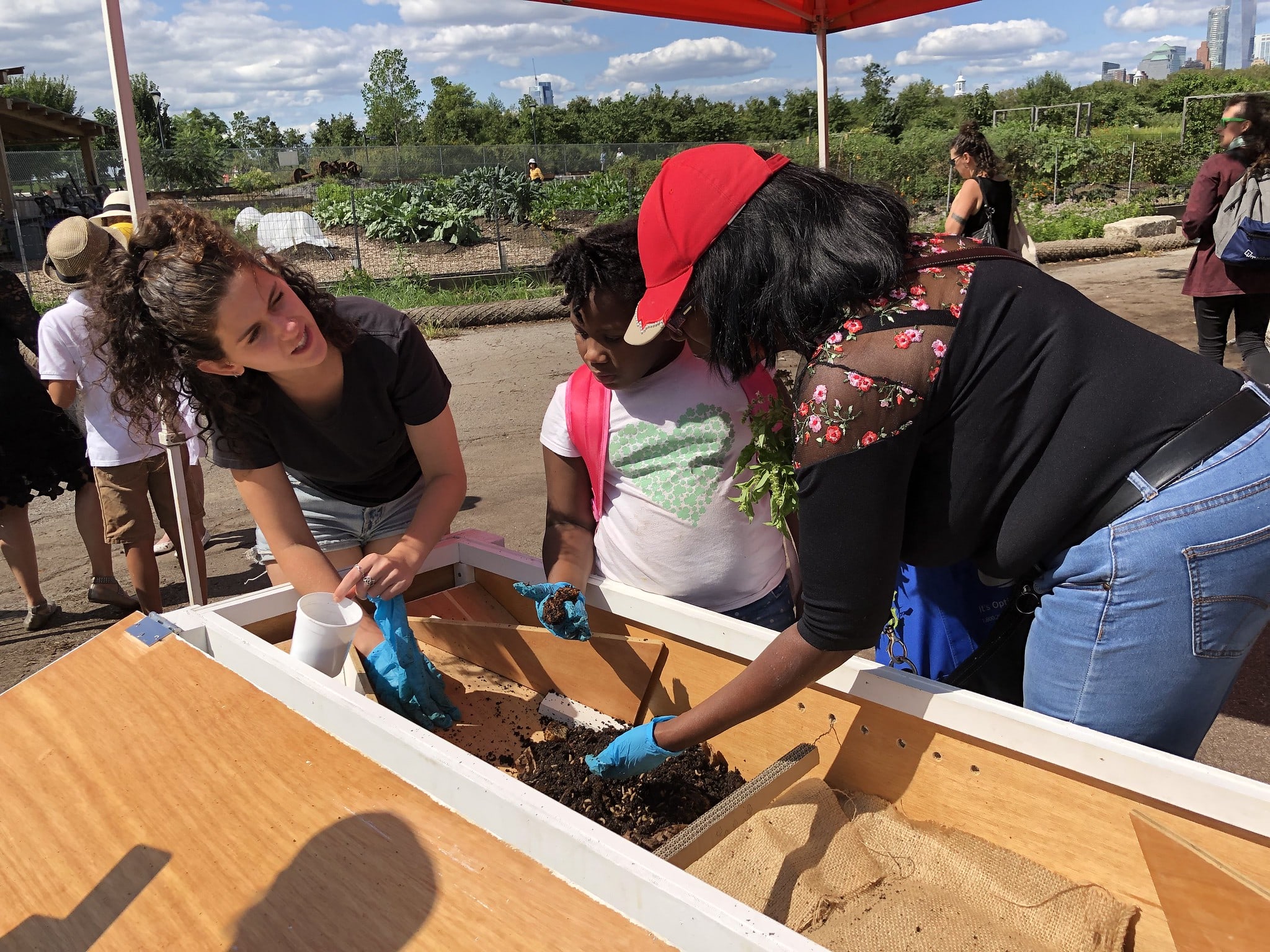
Black soldier flies
Soldier flies or Hermetia illucens are essential decomposers and will even turn meat into compost!
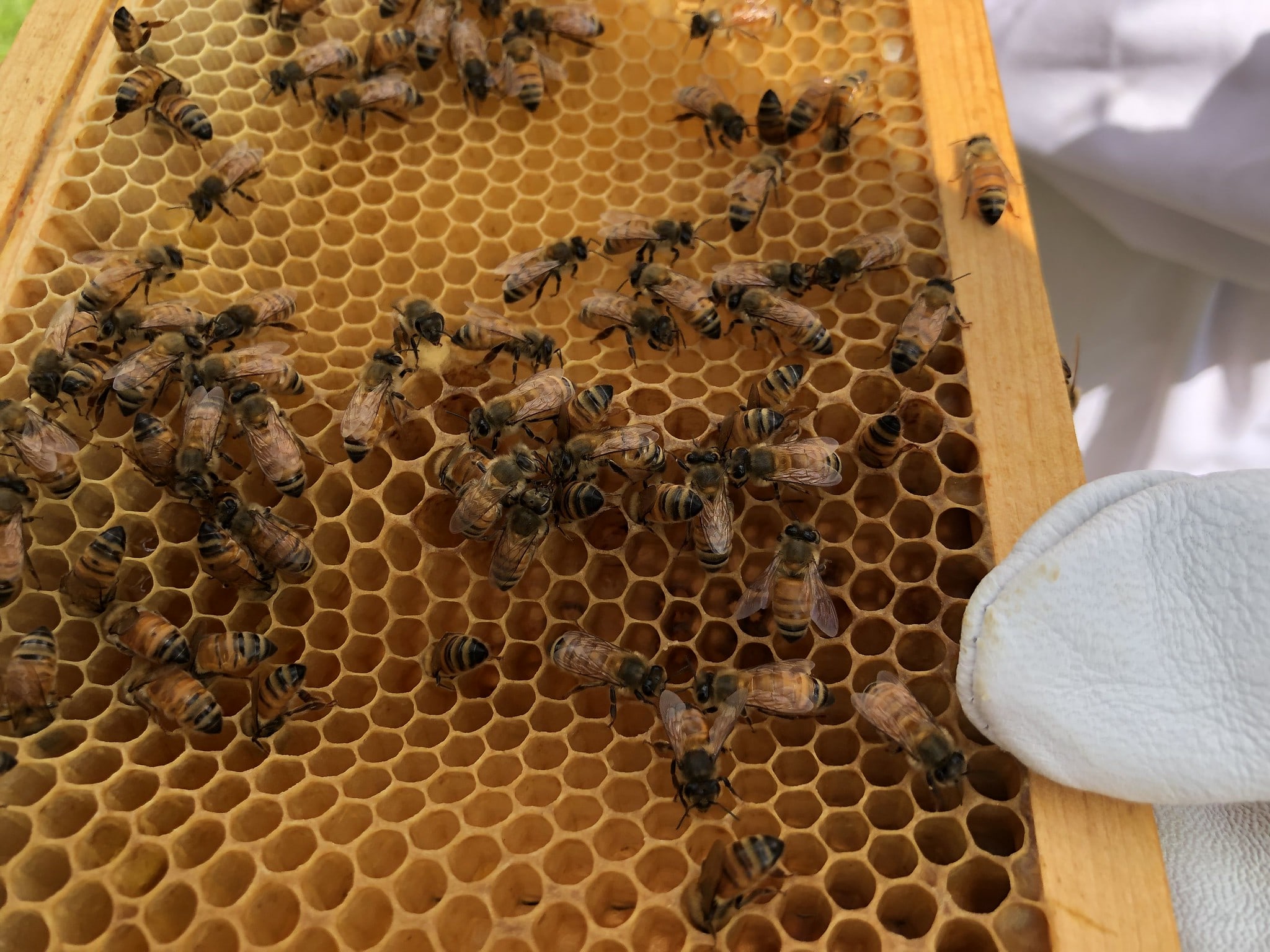
Bees
We keep a hive of honeybees at the Compost Learning Center for the benefit of the flora on Soil Start Farm and on Governors Island. We partner with our Urban Farm neighbors the Island Bee Project’s Urban Bee Sanctuary and the The Bee Conservancy to create a closed loop for birds, bees and other pollinators.
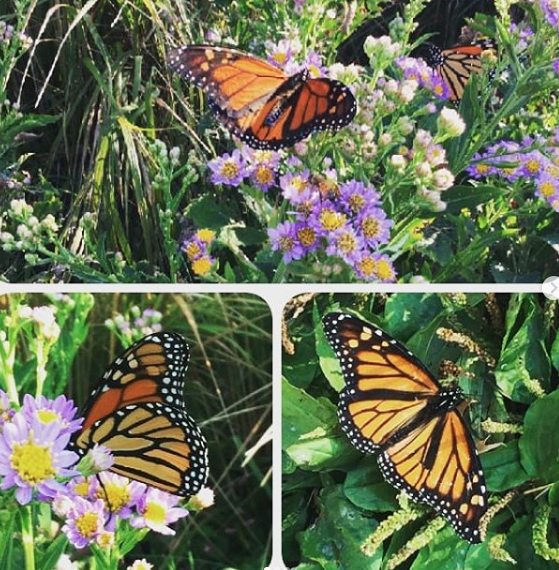
Butterflies
Pollinators of many kinds visit the Compost Learning Center, including these Monarch Butterflies on their 2500 mile migratory path to Mexico!

Want to learn more about our animals on Governors Island? Earth Matter thrives because of its volunteers! We have many volunteer opportunities to work with chickens, as a goat docent, with our bees, and more.
Animal Care


